
Eight Questions to Ask a Supplier Before Buying Sintered Stone for a Project
Before ordering, clarify the product, documents, installation system, batch control, fabrication, logistics, quotation scope and written warranty responsibility.
Choosing a supplier involves more than asking the price per square meter
For a small home purchase, price, dimensions and color may be enough.
For commercial, project and bulk procurement, reliable delivery, technical documentation, batch control, fabrication support and after-sales handling are often more important than the square-meter price alone.
1. What exactly is the product?
Confirm the model, dimensions, thickness, surface finish, color code and available quantity.
Do not order from a picture or vague product name alone. Approve a physical reference sample and record the information in the purchasing documents.
2. Which technical documents are available?
According to the application, confirm parameters and test reports such as water absorption, breaking strength, chemical and stain resistance, freeze-thaw resistance and slip resistance.
For facades, curtain walls, high-rise or other complex work, also confirm specialist design, system information and calculation requirements.
3. Which installation system suits the product?
The supplier should explain suitable applications and system conditions, not merely say that installation is possible.
Interior walls, worktops, cabinet doors, dry hanging and other uses have different requirements for thickness, substrate and fixing.
4. How are batches controlled?
For large projects, confirm batches, color variation, thickness, surface appearance and future replenishment in advance.
If delivery is phased, consider continuity between batches, especially for strongly veined products.
5. How will fabrication be handled?
If the supplier fabricates, define the scope of cutting, cutouts, edge finishing, bevels, mitres, numbering, packaging and final inspection.
For complex work, approve the layout and fabrication list before production.
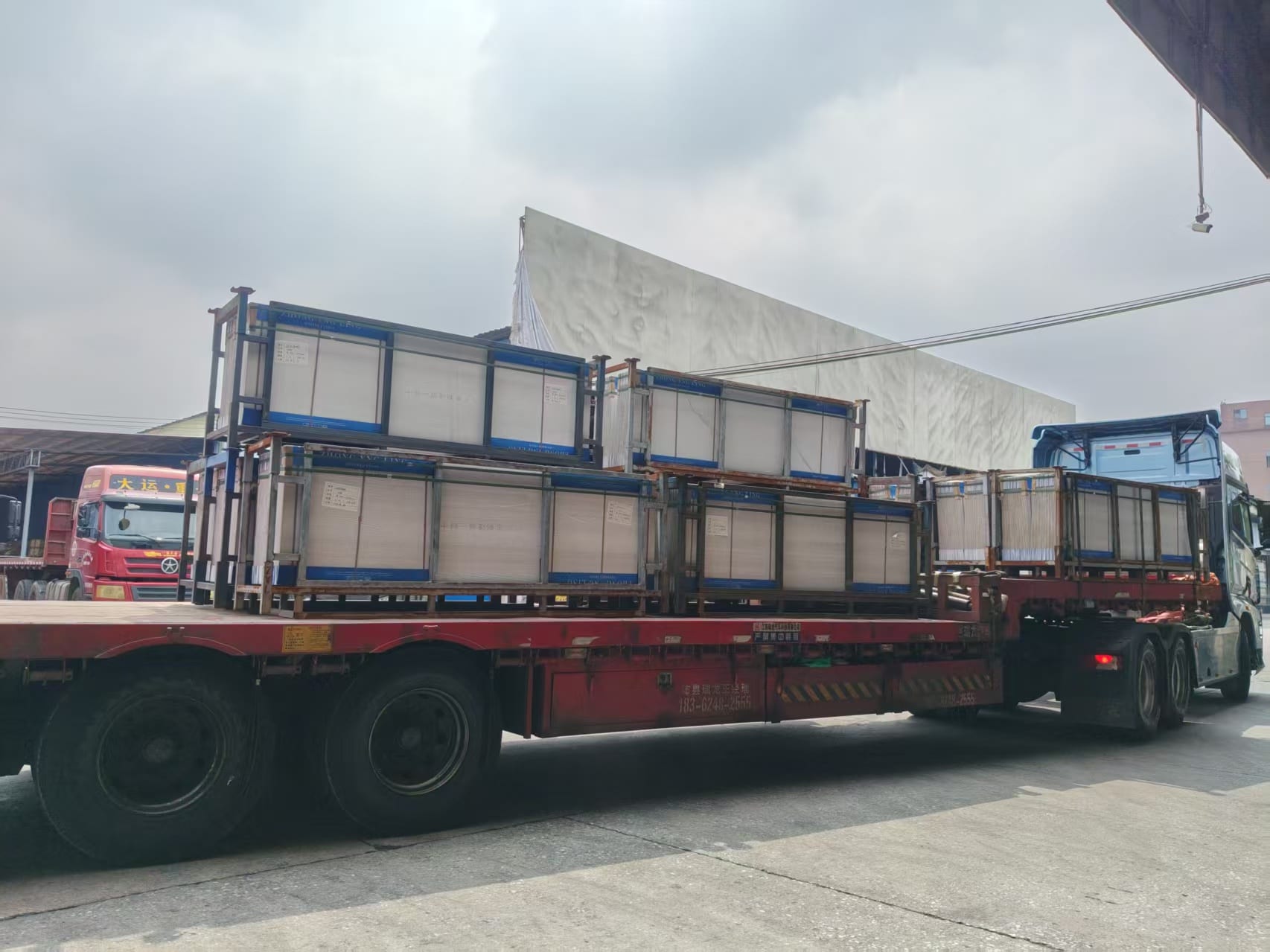
6. How will packaging and transport be arranged?
For large slabs, confirm packaging, protection, loading, unloading and site handling conditions.
Inspect surfaces and hidden cracks promptly on arrival. If anything is abnormal, photograph it, record it and establish responsibility before installation.
7. What exactly does the quotation include?
Ask the supplier to separate material, fabrication, hardware, accessories, packaging, transport, vertical delivery, installation, waste and warranty.
Offers are truly comparable only when their scopes are consistent.
8. Who is responsible if a problem occurs?
The contract should assign responsibility for slabs, fabrication, hardware, accessories, transport and installation, plus response times and repair or replacement obligations.
A verbal promise of a long warranty is no substitute for written responsibility. Projects need clear boundaries and traceable records.
Finally: a good long-term supplier should make the project easier to manage
Project procurement is more than buying a batch of slabs.
Every step, from product confirmation, documents and batch control to fabrication, packaging, logistics, installation support and after-sales service, should be traceable.
The supplier assessment can be summarized in eight keywords:
Product → documents → batch → application → fabrication → logistics → price → warranty.
The clearer these eight points are, the easier the project is usually to control.