
When sourcing sintered stone, don't only ask "Are you a factory?": supply capability matters just as much
Confirming whether a supplier is a factory is only the first step. Stable quality, real stock, ongoing supply, and a clear delivery plan are the capabilities project procurement more needs to verify.
When choosing a sintered stone supplier, "Are you a factory or a trader?" is usually one of the first questions buyers ask. The question certainly matters. Understanding the supplier's production source helps in judging the product, the price, and the supply chain. But for engineering projects and long-term purchasing, confirming the supplier's identity is only the start. What really needs to be understood further is: after the sample is approved, can the supplier keep providing a stable product and complete subsequent delivery according to the project schedule?
1. Is product quality consistent?
![[object Object]](https://cdn.zylsinteredstone.com/news-sintered-stone-supplier-capacity-beyond-factory-03-400x225.jpg)
A sample can only represent one product state at one time. For bulk engineering projects, what matters more is whether later orders can keep relatively consistent color, texture, surface finish, and product specification. This is especially true for large-area applications such as hotels and commercial spaces: if the approved sample and the later bulk product differ noticeably, the final spatial result can be affected directly. Therefore, besides confirming the sample before purchasing, it is also advisable to understand the supplier's batch management and quality-control methods.
2. Is the stock quantity real?
![[object Object]](https://cdn.zylsinteredstone.com/news-sintered-stone-supplier-capacity-beyond-factory-04-400x225.jpg)
"In stock" and "enough stock" are two different questions. For projects with tight schedules or larger purchase volumes, it is not enough to confirm that a product has stock. You also need to confirm further:
- The current actual available quantity;
- The matching specification and thickness;
- Whether it is from the same production batch;
- Whether the stock on hand can meet the current project need;
- How long later replenishment will take.
The earlier this information is confirmed, the easier later purchasing arrangements for the project are to control.
3. Can supply continue afterward?
![[object Object]](https://cdn.zylsinteredstone.com/news-sintered-stone-supplier-capacity-beyond-factory-05-400x534.jpg)
Many projects are not completed in a single purchase. Hotels, commercial spaces, and projects built in phases may need to purchase in batches according to the construction schedule. If the first batch meets the requirements but later supply cannot continue, a substitute product may have to be found. Once the product is changed, the design effect, color, and texture may all be affected. So for long-term projects, ongoing supply capability deserves as much attention as the first quote.
4. Is the delivery plan clear?
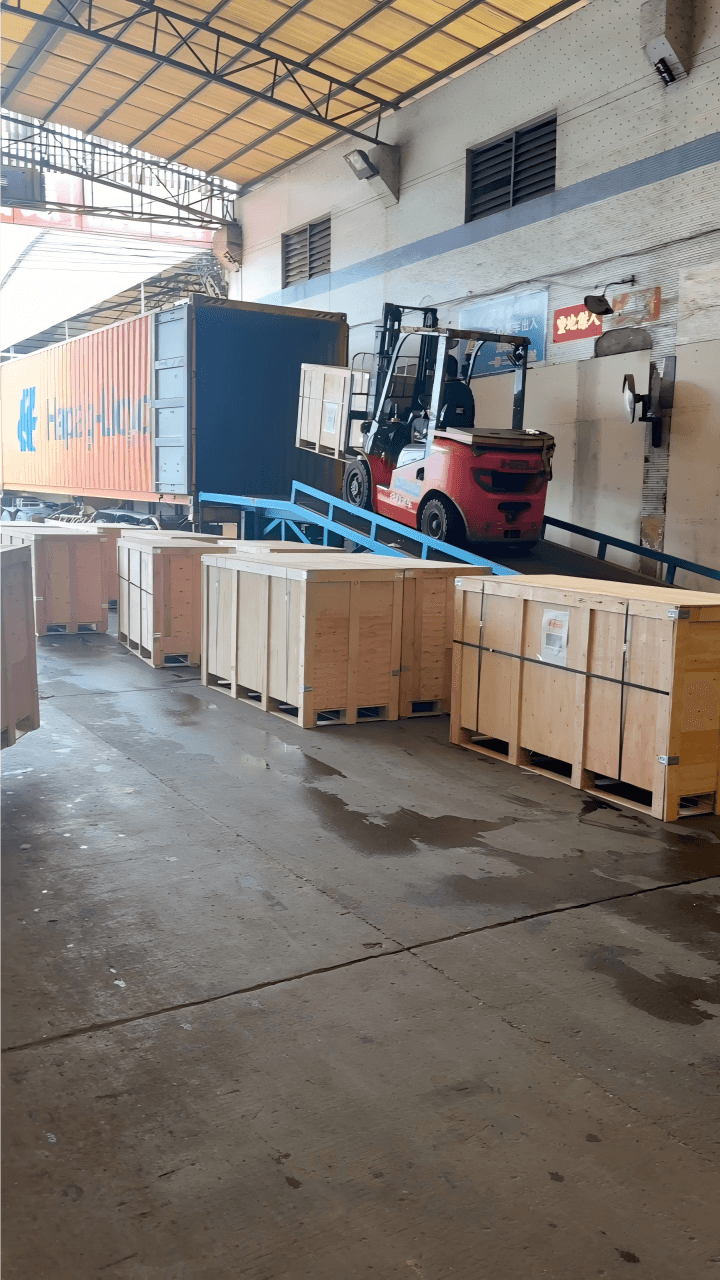
Being able to produce the product does not mean the project will necessarily finish on schedule. From production, inspection, and packaging through container loading and transport, every step needs to connect with the project timeline. This is especially true for overseas engineering projects, where transport distances are longer: the procurement team more needs to know in advance when the product can be ready, when shipment can be arranged, and how later replenishment will be coordinated. If only product price and specification are discussed, and the delivery plan is not confirmed, discovering at the construction stage that materials cannot arrive on time easily puts the project in a passive position.
Factory identity is only the first step in supplier evaluation
![[object Object]](https://cdn.zylsinteredstone.com/news-sintered-stone-supplier-capacity-beyond-factory-06-400x711.jpg)
When sourcing sintered stone, confirming whether the supplier is a manufacturer is certainly meaningful. But if what the project really cares about is quality, stock, replenishment, and delivery, then supplier evaluation cannot stop at the question of "factory or trader." A more practical approach is to keep asking: Are product batches consistent? What is the stock quantity? Can supply continue afterward? When the project needs it, can delivery follow the plan? These questions are closer to what sintered stone project procurement actually needs to resolve. For importers, distributors, and project procurement teams, choosing a supplier is not only choosing a product source — it is choosing the supply capability for a period of time afterward.
"Are you a factory?" can serve as a first filter, but stable quality, ongoing supply, and delivery capability are the parts more worth verifying over the long term.
![[object Object]](https://cdn.zylsinteredstone.com/news-sintered-stone-supplier-capacity-beyond-factory-07-400x267.jpg)