
Overseas Sintered Stone Procurement: Look Beyond Price per Square Meter
On overseas sintered stone projects, buyers usually start by comparing prices. The real procurement cost is more than the figure on the quotation. Alongside unit price, consider supplier concentration, documentation, packaging, container loading, and later project coordination.
On overseas sintered stone projects, buyers usually start by comparing prices. With the same specification and the same thickness, the lower quote often becomes the first-round filter. Anyone who has handled project procurement knows that the final cost of sintered stone is not just the figure on the quotation. If only unit price is considered at the start, later problems can appear: suppliers are too scattered, documents are incomplete, transport damage is high, or details remain unconfirmed until just before shipment. When requesting quotes and choosing a supplier, the points below are worth reviewing together with price.
Are the suppliers too scattered?
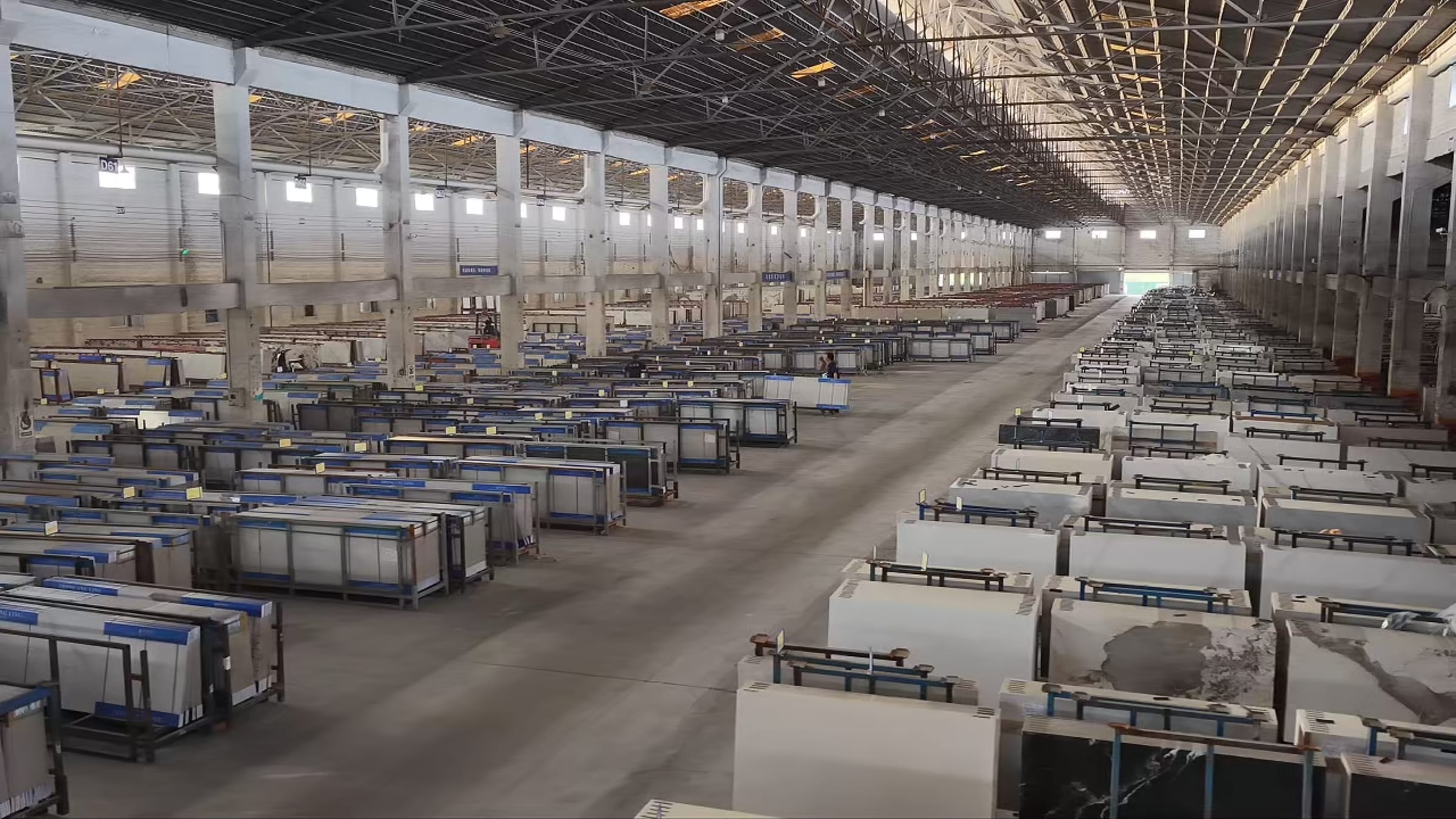
A project rarely needs only one type of sintered stone. It may include marble looks, solid colors, and luxury stone effects, as well as different sizes and surface finishes. Sourcing each product from a different supplier may look cheaper at first, but communication, sampling, order follow-up, and container loading all become more complicated. On larger project volumes, coordinating several suppliers at once often leads to mismatched lead times and difficult replenishment. If one supplier can offer a reasonably complete range, procurement and design teams usually find it easier to align selections and plan orders.
![[object Object]](https://cdn.zylsinteredstone.com/news-overseas-sintered-stone-procurement-beyond-unit-price-02-400x267.jpg)
Confirm the documents the project needs in advance
Many procurement problems come from documents, not from the product itself. Requirements for building-material test reports, certifications, and export papers differ by country and by project. These items should be clarified before the order is confirmed. Do not wait until production is finished and loading is about to begin to discover that a report or file is still missing. Handling it at that stage often delays shipment. For construction projects, document confirmation should sit in the same procurement process as product confirmation.
![[object Object]](https://cdn.zylsinteredstone.com/news-overseas-sintered-stone-procurement-beyond-unit-price-03-400x267.jpg)
Packaging and container loading cannot be judged from photos alone
Sintered stone travels a long cross-border route. From factory loading to unloading at the destination port, slabs are handled many times. Do not stop at a single question: "Is the packaging done properly?" More practical questions include:
- How are the slabs secured?
- Are edges and corners given separate protection?
- Is the wooden crate suitable for long-haul transport?
- How are different sizes loaded into the container?
- How much can one container hold?
- Has the loading plan been optimized for the actual product sizes?
These details may look unrelated to unit price, but if damage occurs in transit, the project still bears the cost.
![[object Object]](https://cdn.zylsinteredstone.com/news-overseas-sintered-stone-procurement-beyond-unit-price-04-400x534.jpg)
Product selection should also consider later coordination
A complete construction project rarely uses only one pattern. Designers may need different textures for walls, floors, kitchens, bathrooms, or public areas. If a supplier's range is narrow, other channels still have to be found later. At the sourcing stage, it is useful to check whether the supplier's product system is complete enough. From simple solid colors to marble looks, luxury stone effects, and different sizes and surface finishes, a more concentrated selection usually makes later project matching easier.
What should be compared is the "final cost"
A low price is not a problem in itself. The issue is that a low quote does not necessarily mean a low final cost. Extra time spent coordinating suppliers, rushing missing documents, handling transport damage, or rearranging shipments because of different lead times should also be counted as project cost. For overseas sintered stone procurement, inquiries can compare these items together: product price + product selection + documentation + packaging method + container-loading plan + supply stability. That comparison is usually closer to the project's real situation than price per square meter alone.
For importers, distributors, and project procurement teams, finding a supplier at a suitable price is only the first step. What matters more is that selection, production, container loading, and delivery can connect smoothly afterward. Price can decide one purchase, but stable supply capability often decides the ongoing relationship.